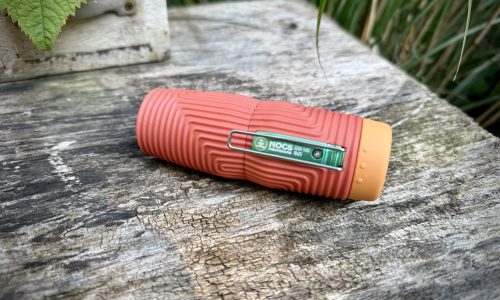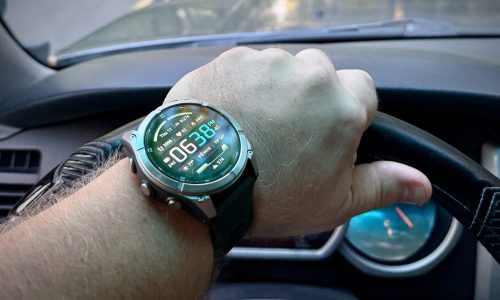







Garmin was on fire in 2025 – releasing more products than any year in recent memory. One part of those new releases was the inclusion of their inReach satellite communication capabilities in products like their new GPSMAP H1 and H1i Plus, as well as their Fenix 8 Pro.
While adding this technology to various products in their product lineup wasn’t new, it might seem a little odd to some folks to see them release a new version of their inReach Mini – especially when the focus has been on including this technology in various devices. However, after spending nearly a month with the new inReach Mini 3 Plus, I have found it’s worth as a stand-alone device to have a greater impact than being included as a feature in another device.
This all being said, before receiving the inReach Mini 3 Plus from Garmin to test, I had little to no experience with any of its predecessors. I have friends who have them, and I’ve seen them hanging off of packs and jackets while wandering around in the woods and backcountry, but I never considered one until now.
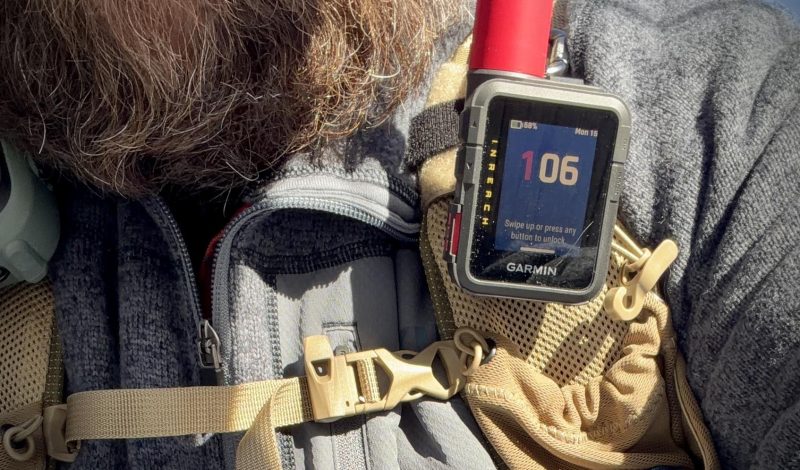
Whether it’s in my 4Runner linked to my Tread 2 Overland, or hanging off my pack strap, its worth has become immeasurable. It goes where I go when I’m driving around or wandering around off the beaten path.
Specs
- Dimensions: 2.16 in x 3.85 in x 1.05 in
- Weight: 4.31 oz
- Rating: IP67 / MIL-STD-810
- Battery: Lithium Ion
- Battery Life: Up to 350 hours
- Charging Interface: USB-C
- GPS Sensors: GPS, Galileo, QZSS, BeiDou
Features
- Multiband Frequency Support
- Touchscreen
- Voice Commands
- Turn By Turn Directions
- Satellite Imagery
- Hydrographic Features
- Searchable Points of Interest
- Waypoints
- Weather Forecasts
- Digital Compass
- Livetrack Remote Tracking and Location Sharing
- Tracback Routing
- Interactive SOS Messaging
- Text Messaging (including Photo)
What’s It All About?
Where the inReach Mini series started as a gadget that allowed you to send out an SOS message when you get into trouble off-grid, it has evolved into one that allows you to stay connected when you’re out there. Where some people might be rolling their eyes at this, don’t think of it as just another device for texting. Instead, consider it a tool that keeps you connected to your friends and loved ones and allows them to keep track of your location.
Additionally, by expanding its capabilities, the Mini 3 has become more functional and easier to use, overall. Its color touchscreen and onboard keyboard, as well as voice commands — means the interface is familiar to most modern users. However, if you’ve been using Garmin handheld products for a while, there are still button commands for you to interact with. The addition of the color screen allows for more detailed maps, which makes things easier to identify on the go.
On the technical side of things, the Mini 3 series is the first to feature multi-band functionality. This means that instead of being connected to just one satellite system, you’re connected to GPS (United States), Galileo (Europe), QZSS (Japan), and BeiDou (China). This equates to consistent tracking and improved positioning. It also means you don’t need to hold the inReach up in the air while looking for a clear shot of the sky to connect. When you turn on the inReach Mini 3 and 3 Plus, you are connected in seconds.
Last but not least is the overall build. All of the inReach Minis have been lauded for their rugged build and ability to persevere in demanding environments. They have also all met the MIL-STD-810 standard for temperature, shock, and exposure to liquids. The one change from the 2 to the 3 that is easy to miss is the IP rating from IPX7 to IP67. Where the Mini 2 allowed for the unit to be submerged in 1 meter of water for up to half an hour, the Mini 3 series is also dust-tight. This means that nothing is getting inside that little complicated marvel of modern technology.
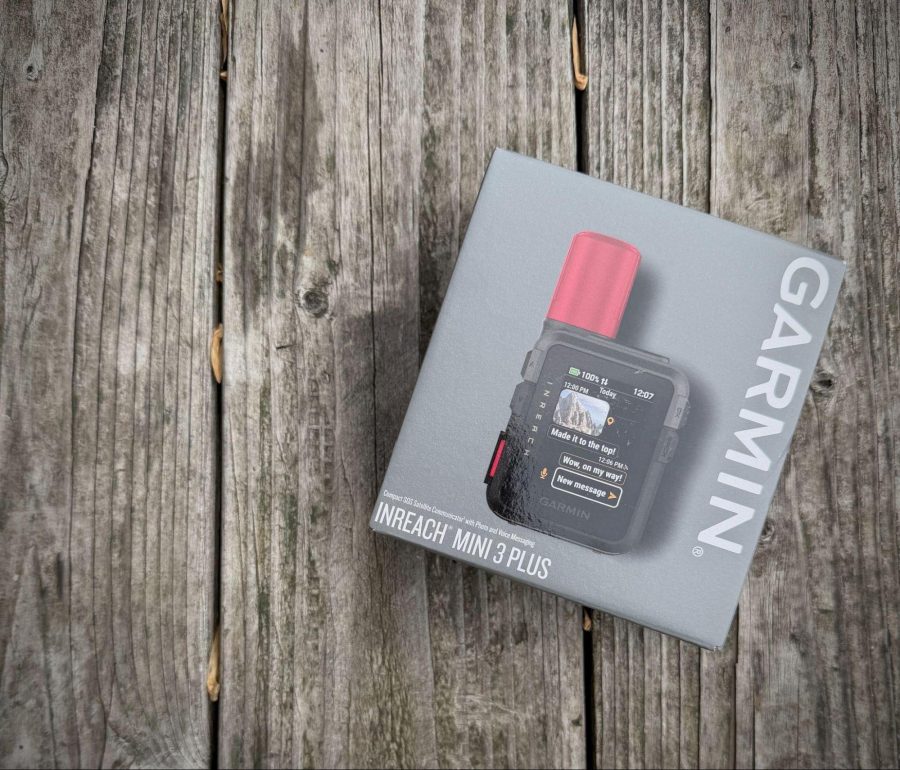
What’s the difference between the Mini 3 and Mini 3 Plus?
The standard Mini 3 focuses on basic text messaging and location tracking, and the Mini 3 Plus has more robust features, which makes spending the extra $50 a no-brainer.
On the surface, Garmin is promoting the Mini 3 Plus as being able to share photos and send voice messages, but it also has the ability to operate through voice commands. Additionally, the inclusion of a speaker allowed Garmin to include an emergency siren in the Mini 3 Plus.
Although sending and receiving photos doesn’t appeal much to me, the addition of a siren and voice commands does. If you’re in an emergency situation where you might not be able to access the Mini 3 Plus physically, it can still function as needed by the sound of your voice.
For $50 more, I would recommend getting the Plus version.
Battery Life
For two weeks, I either left the Mini 3 Plus in my 4Runner or I hiked with it. We hit a cold streak for a solid week during that time, when temperatures were in the single digits. At the end of this period, the unit still had 20% battery life remaining.
Now, granted, I wasn’t using it all the time – but cold can have a significant impact on lithium batteries. Keeping that in mind, I was able to get more than 336 hours out of a single battery charge. Garmin claims you can get up to 350 hours. I suspect the Mini 3 Plus would last for longer than that.
Wait a minute. Maps?
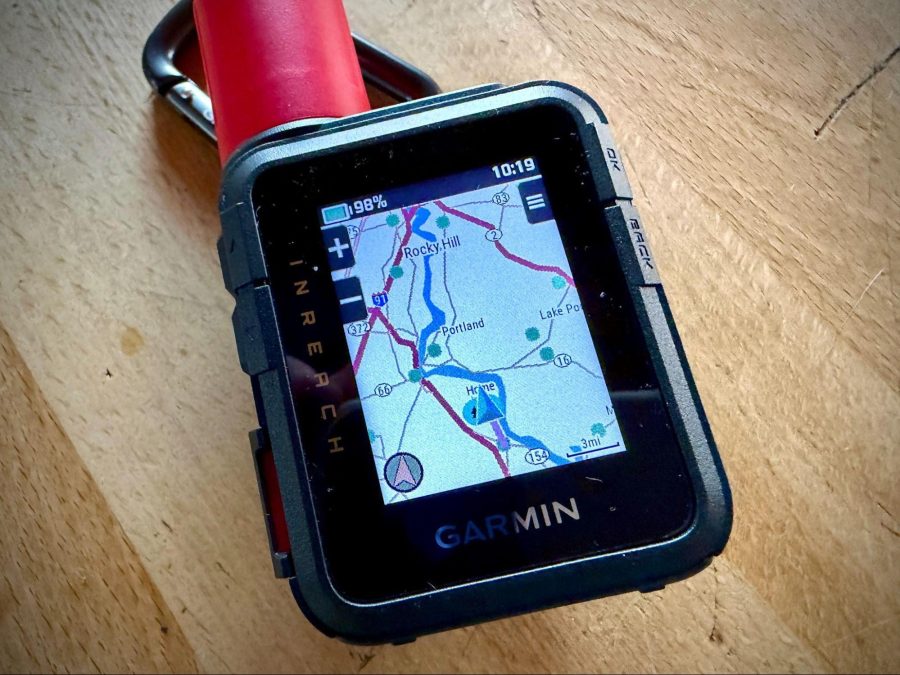
Another notable feature that makes the inReach Mini 3 series nearly self-sufficient is the inclusion of basemaps. By adding this capability, Garmin has turned their once SOS-specific gadget into a basic GPS navigator. And though you’re not going to get topographic detail, you’ll be able to see cities, roads, and points of interest.
This is actually a big deal. If you plan out your adventure ahead of time with the aid of Garmin Explore, you’ll be able to access enough navigational data on the Mini 3 and Mini 3 Plus to get to your destination. Throughout the journey, you’ll also be able to see any points of interest in your vicinity – things like campsites, rivers, hospitals and more.
To give you an idea of where this puts the inReach Mini 3 series in the grand scheme of things, it’s at the same level of sophistication that some of Garmin’s dedicated handheld navigators were at just a couple of years ago, with the addition of a color touchscreen.
Subscriptions
Earlier this year, with the launches of the Fenix 8 Pro as well as the GPSMAP H1 line we saw a finely tuned subscription plan offering. You do not need an inReach subscription to use basic features like the compass and maps, but you will need one for everything else that the inReach Mini is capable of. The nice thing is that you can pay month to month.
The plans start at $7.99 a month and go as high as $49.99 a month. I’ve been using the Essential plan for $14.99 a month since I received my Fenix 8 Pro in the summer. WIth that I get unlimited check-ins, 50 text messages/weather requests, and 10 photo or voice messages.
For $29.99 a month, the Standard plan more than doubles those numbers and adds in unlimited live tracking. For those of you spending days out in the backcountry, that plan may be better suited. Either way, it goes without saying that the more you pay the more you get.
Note: you can’t share subscriptions between inReach enabled devices. You can, however, switch an existing subscription to a new device. I switched it over from my Fenix 8 Pro to the Mini 3 Plus when it arrived and avoided the $40 activation fee.
Food For Thought: Long-Term Viability
With Apple and Google phones adding built-in satellite connectivity, and even a growing number of Garmin products having inReach technology baked into them, it might seem that the inReach Mini 3 series might be the last of the product line. However, I don’t think that’s going to be the case as the Minis are still stand-alone, dedicated products that work as satellite messengers.
I’ve been a dedicated iPhone user since the first iPhone came out. I love my iPhone. That said, I have had the 14 Pro, 16 Pro, and now 17 Pro. The SOS connectivity leaves a lot to be desired.
When you’re in an emergency, you may not be able to get a clear shot of the sky. This can leave you SOL with the SOS. Additionally, if you can secure a connection with it, you can only send short test messages, share your location, and request roadside assistance. Now, where this may be the intended use of an emergency device, it’s also a battery drain for the iPhone.
With the Mini 3 Plus, I’ve yet to find a place where I wasn’t connected to the Iridium Satellite Network. I turn it on, it locates the satellites, and I never have to worry about it. Additionally, it allows me to send texts, voice messages, and share my location with live updates at predetermined intervals. All of these things can help get someone out of an emergency on a level that has yet to be rivaled by any other brand that has satellite connectivity in its products.
The One Con: Lack of Mounting and Carry Options
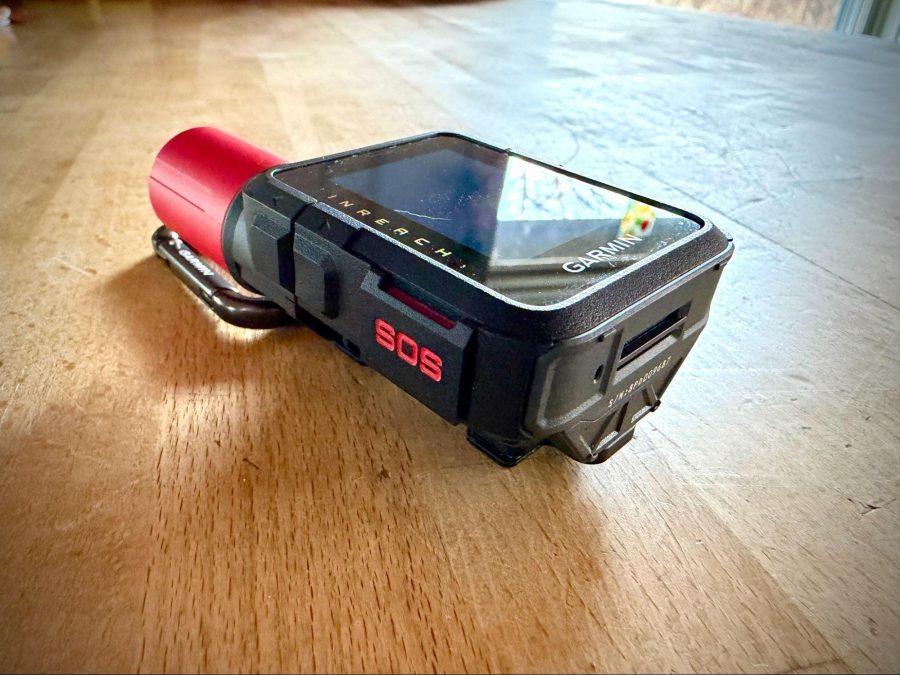
As I found out with their GPSMap H1i Plus, Garmin changed the spine mount on the back of some of their products, which limits how they mount and how you can carry them.
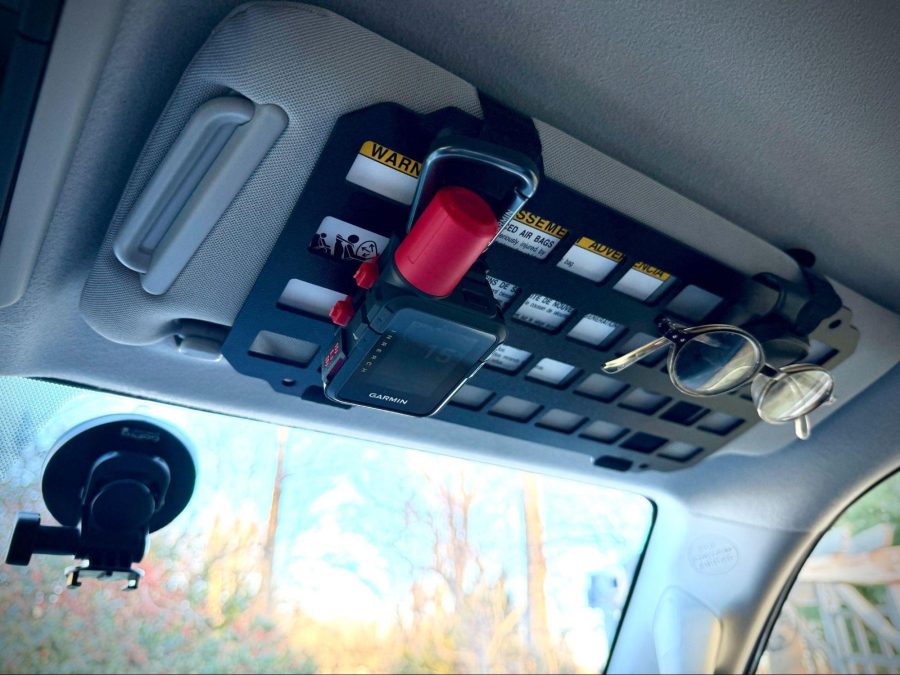
Out of the box, the inReach Mini 3 series comes with a carabiner, which makes it easy to strap to a pack. However, if you want to mount it anywhere in your vehicle, which is common for the Minis, you’re going to need to get creative. Where companies like RAM Mounts have a bunch of vehicle mounts for the original spine mount, none of them have yet to come up with one for the new version.
I ended up retrofitting Garmin’s Backpack Tether by zip-tying it to a 4Runner Lifestyle Tactical Sun Visor MOLLE Panel. This allows me to use it with my Tread 2 Overland as well as remove it and lash it to my pack with minimal effort. That said, in order to do that, I needed to order their Spine Mount Adapter made specifically for the inReach Mini 3 series.
Overall, no harm – no foul. I just thought it was worth mentioning, especially for those folks who have any of the older spine mount accessories.
Overall
At its core, the Mini 3 series is still an SOS beacon that connects you directly to Garmin’s Response Center to get you out of a jam. However, with capabilities such as voice messaging, detailed map navigation, and voice commands, it’s not only a great device to have on you, but also for your friends and family. With the ability for them to message you and track your location, even if you end up in an emergency situation, the pile of breadcrumbs is there to get you out of it. Peace of mind goes a long way.
That leaves the question if you should upgrade to the Mini 3 or Mini 3 Plus if you have a previous version. Where I will agree that $500 is an investment, if you’re someone who finds themselves off grid more often than not, then yes – you’ll benefit from the new features and should probably upgrade. However, if you’re someone who uses their Mini 1 or 2 casually, you can probably continue to rely on them.
Overall, I am happy to have finally gotten an inReach Mini. Something that seemed like a “nice to have” has quickly proven to be a necessity. If you’ve never had one before, or you’re itching to upgrade your current inReach Mini, head right for the 3 Plus. You get way more than what you’re paying for.
I understand that some people might not want to receive texts when they’re out on an adventure, you don’t actually need to. Texting is merely one feature that may come in handy. As someone who has only sent a test text – I assure you, it’s easy to avoid. I just like knowing I have it if I need it.